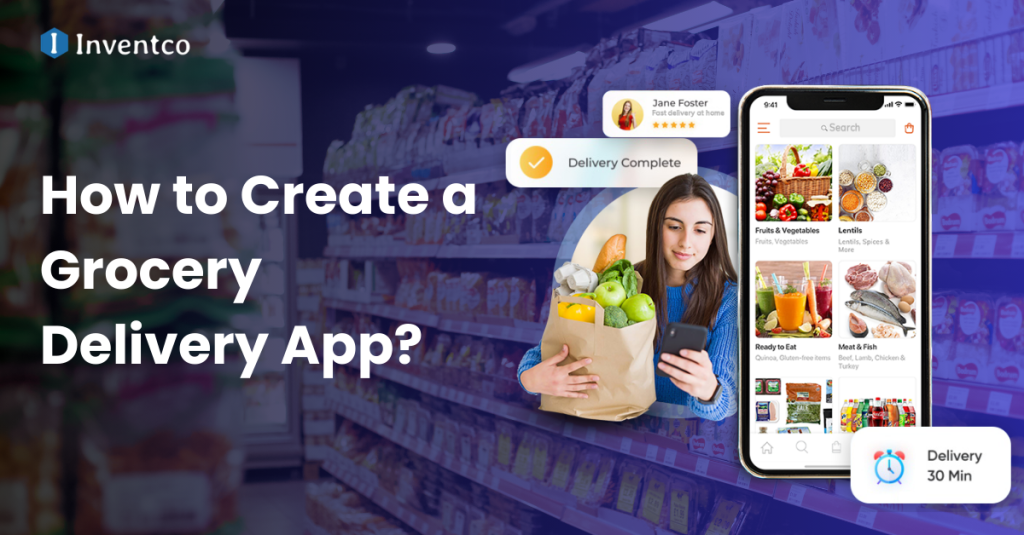
The online grocery market is not something new anymore, it is the way people live now. People look at reports from Statista. They think the online grocery market will be really big, over one trillion dollars by the year 2027. This is because people are changing the way they buy things. More people have smartphones. They want things to be easy. Lots of people like adults who live in cities and parents who work like to buy the things they need using their phones instead of going to stores.
If you want to make a Grocery Delivery App we will tell you everything you need to know from making sure it is an idea, to what features it should have, what technology to use, how much it will cost and how you will make money from it. We will give you real examples and tips that actually work with Grocery Delivery Apps.
Key Takeaways
Creating a successful grocery delivery platform is not only about coding an app. It requires:
- Clear business model selection
- Strong logistics planning
- Scalable technology stack
- User-focused design
- Data-driven decision making
If a grocery delivery app works well and keeps improving in response to user demands, it can produce recurring income. Operational excellence, smooth performance, and steady user experience enhancements that maintain client engagement and loyalty are essential for long-term profitability.
The Grocery Delivery App should prioritize user-friendly navigation, quick order processing, dependable delivery tracking, safe payment integration, and tailored suggestions in order to accomplish this.
Working with a seasoned grocery delivery app development company guarantees that the platform is constructed with cutting-edge features, scalable design, and data-driven optimization techniques that turn it into a reliable source of income.
Understanding the Grocery Delivery Business Model
Before you start building your grocery platform you need to have an idea of what your business is going to be. A good grocery platform is not about putting products on the site. It is also about how you get products to people, how you keep track of what you have in stock and how you do things in time. The important thing is that your customers trust you. Your grocery platform needs to be about logistics and inventory and doing things at the time. Your customers need to trust your grocery platform.
There are three common models used worldwide:
- Inventory-Based Model: The company takes care of its warehouses and stock. This way of doing things is used by Amazon Fresh, where they have control over the supply chain, which means they can make sure everything is good quality and deliver things to people faster.
- Marketplace Model: The app is like a bridge that helps local grocery stores get in touch with the people who want to buy things from them. Instacart does something where they work together with the stores and take care of getting the groceries to the customers.
- Hybrid Model: We use a combination of our inventory and inventory from other sellers. This way the online store does not have to take on a lot of risk. It can still get really big. The online store can have a lot of products from the third-party sellers and our own inventory. This is a thing because it means the online store can sell a lot of different products to customers. The combination of in-house inventory and third-party sellers is an idea.
Choosing the right structure depends on your capital, operational capacity, and target market.
Market Research and Validation
Founders often make a mistake when they do not do their research. The grocery delivery business is very competitive. If you get into this business without knowing if people really want this service you can lose a lot of money. Grocery delivery is a field to get into and you need to understand what people want from a grocery delivery service before you start.
Start by analyzing:
- Local buying behavior
- Average order value
- Delivery expectations
- Existing competitors
- Pricing gaps
For example during the pandemic grocery apps saw a lot more people downloading them. Over 70% more (according to Business of Apps).
However after the pandemic the growth slowed down. Now users care more about reliability and prices than how they can get things. Surveys with customers and testing launches in one city can help reduce the financial risk a lot.
Core Features You Must Include
A good grocery platform needs to be simple and work well. It has to make things easy for people to use and keep them coming. The main things that make people happy, with a grocery platform and keep them using it are listed below.
Customer Panel
Customers anticipate quick checkout times and seamless browsing. Your app ought to have:
- Registration of users and administration of their profiles
- Filter-based intelligent product search
- Product availability in real time
- Safe various payment methods
- Order monitoring with real-time location updates
- Reviews and ratings
AI-powered personalized recommendations can raise the average cart value by 10% to 15%.
Delivery Partner Panel
Your platform’s core is its delivery operations. The rider app ought to have:
- Route optimization
- Notifications of orders
- Monitoring earnings
- Updates on delivery status
Studies conducted in the logistics sector show that route optimization alone can cut fuel expenses by about 20%.
Admin Dashboard
The entire ecosystem is under the authority of this panel. It ought to permit:
- Management of inventories
- Order tracking
- Commission configurations
- Reports and analytics
- Management of users
Even the best-designed program will not function properly without robust backend control.
Choosing the Right Technology Stack
Performance and scalability are determined by technology. The majority of contemporary grocery applications make use of:
- Frontend: Flutter or React Native
- Backend: Node.js or Python
- Database: MongoDB or PostgreSQL
- Cloud Hosting: AWS or Google Cloud
If you plan for scalability and future integrations like warehouse automation or AI forecasting choose a modular architecture from the start. A good technical partner helps you plan your system better, ensures security compliance and makes long-term maintenance easier.
Companies like Inventco Softwares have experience building app infrastructures. They focus on backend systems and easy- to-use interfaces. The right technical partner saves you time. Reduces operational problems later on.
Step-by-Step Development Process
Creating a successful grocery platform requires structured execution.
1. Define Your Requirements
Outline the key features, identify the target audience, describe the revenue model, and specify the launch geography.
2. Wireframing and UI/UX Design
This includes setting up the database making connections to systems, with API integrations getting payment gateways to work and using the cloud infrastructure.
3. Backend Development
This includes setting up the database making connections to systems, with API integrations getting payment gateways to work and using the cloud infrastructure.
4. Testing and Quality Assurance
Performance optimization, security testing, and stress testing are required for apps that manage payments and real-time tracking.
5. Launch and Optimization
We will do a launch in one city. We will collect feedback from the people who use our service. Then we will improve our operations before we scale up.
Companies like Inventco Softwares usually do things in steps. They do not launch something over the country at the same time. This way Inventco Softwares can minimize the risk of something going wrong.
Cost of Developing a Grocery App
The cost of developing something depends on how complicated it is, where you are and how many features it has. A simple version with the features can cost between $20,000 and $40,000.
But if you want a system that can grow with your needs and you want it to have lots of advanced features like smart recommendations and the ability to manage many cities then the development cost of this system can be between $60,000 and $120,000 or even more than that, for the development cost of this system.
Ongoing expenses include:
- Cloud hosting
- App maintenance
- Marketing
- Delivery fleet management
Budget planning must include at least 6–12 months of operational runway.
Monetization Strategies That Work
Revenue generation must be planned before development.
Common models include:
- Commission from partner stores
- Delivery fees
- Subscription memberships
- Featured product promotions
- In-app advertisements
For example Instacart makes money from delivery fees. Also gets commissions from retailers. This way they have sources of income.
Subscription models are also an idea. They offer delivery if you buy a lot and this really helps keep customers coming back.
Key Challenges and How to Solve Them
Inventory Management Issues: Real-time syncing between stores and the app prevents order cancellations.
- Delivery Delays: AI-based route mapping and smart batching improve efficiency.
- Customer Trust: Clear refund policies and transparent pricing build long-term loyalty.
- Thin Margins: Optimizing supply chains and negotiating bulk supplier contracts helps maintain profitability.
Working with teams that have a lot of experience like the people at Inventco Softwares really helps you figure out the problems that are going to come up when you are running things. This way you can get ready for the challenges that Inventco Softwares and other teams like them know about.
Conclusion
The grocery business is changing fast because people are using digital things and they want different things from stores. If you want to start a grocery business you need to make sure people trust you are fast. You do things just right not just have a lot of fancy features.
If you do it correctly your grocery store can make people happy. Come back to you for a long time and you will make more money. You need to pick the people to help you build your store, make a good plan and make sure your customers are happy or you will not be successful.
If you have a business or a big store making a good grocery delivery system with help, from people who know what they are doing can help you compete with other stores in this growing market.
 Inventco
Leave a comment